
Tendon Injuries (“Tennis Elbow,” “Jumper’s Knee,” etc.)
When the “ropes” that attach your muscles to bone (tendons) get frayed or overworked, PRP can help calm down irritation and kick-start healing so things stop feeling achy and stiff.
Early Arthritis (Joint Wear-and-Tear)
In joints that are getting banged up over time—like knees, hips, or shoulders—PRP can ease pain and swelling and give the joint tissues a little nudge toward repair.
Ligament Sprains (Twists and Turns)
If you twist an ankle or wrench a knee, the ligaments (the stretchy bands that hold bones together) can take a long time to heal. PRP helps speed up that repair process so you recover more quickly.
Muscle Strains (Pulled Muscles or Small Tears)
For strains or tiny tears in muscles—think pulled hamstring or a “tweaked” shoulder—PRP delivers a boost of healing proteins right to the spot, reducing scar tissue and getting you back in action sooner.
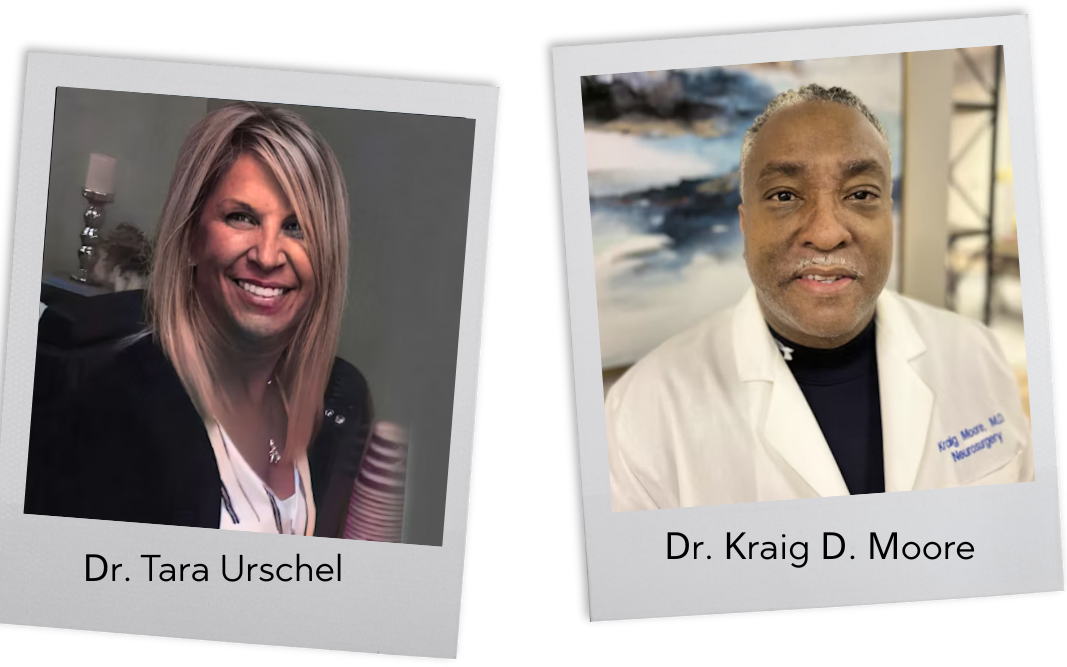
Dr. Tara Urschel is a leading provider of chiropractic care in and around Ashburn, VA. At Jaxsens Wellness Center , Dr. Urschel provides many services to her patients including services such as stress management, fibromyalgia treatments, physical therapy, and treatment for back pain, along with various other services.
Dr. Kraig D. Moore began his Medical education at The George Washington University School of Medicine and Health Sciences, where he obtained a Degree in Medicine in 1992. Following graduation, he completed his internship in General Surgery at The Washington Hospital Center in Washington, D.C. He went on to an IRTA Fellowship at The National Institute of Mental Health of the NIH where he performed Investigations in Neural Transplantation for Parkinson’s Disease as well as Investigations in Pediatric Brain Tumors.
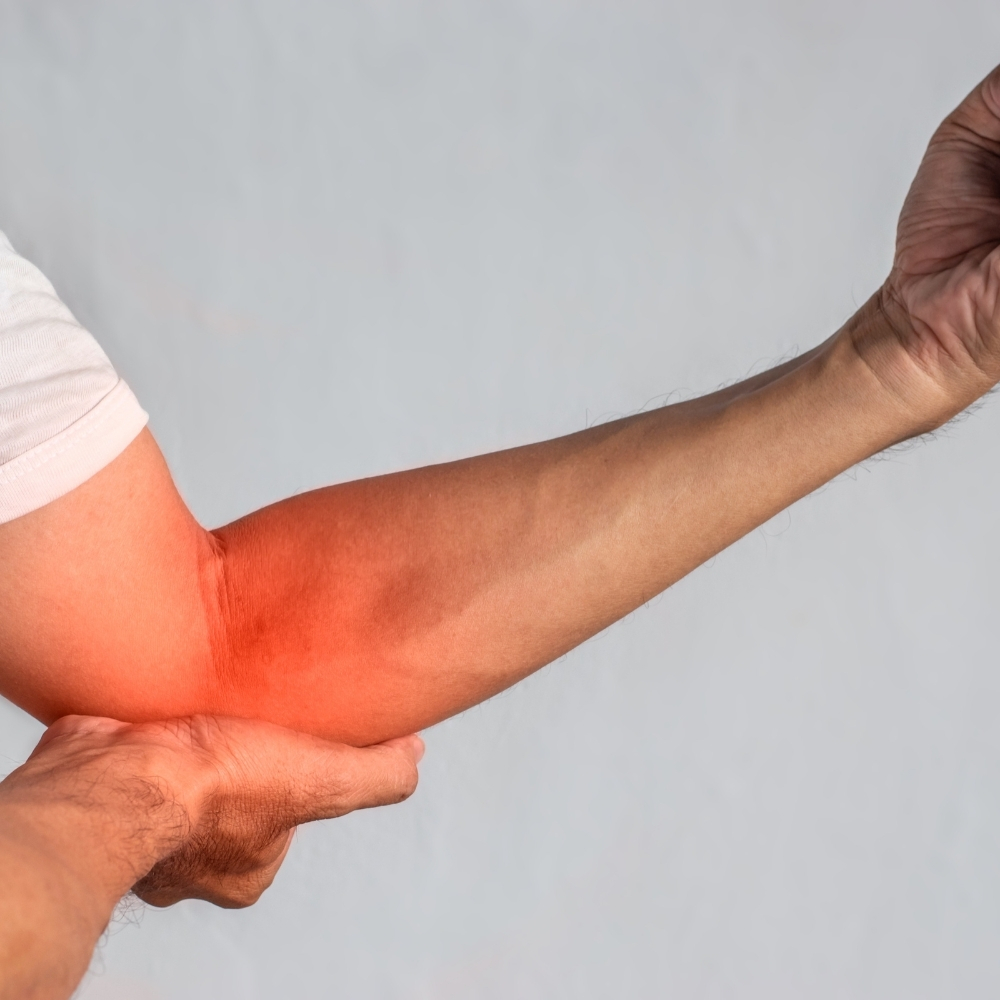
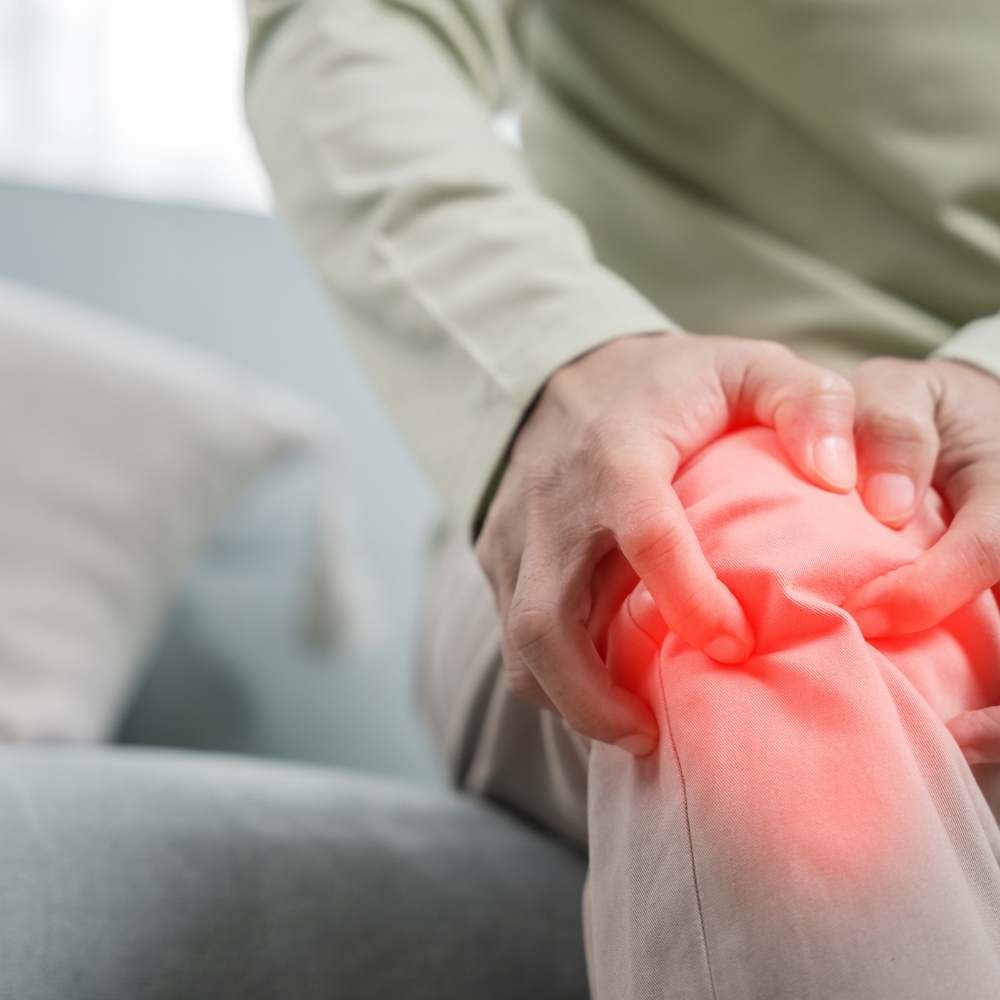
Tendon Injuries (e.g., Tennis Elbow, Jumper’s Knee, Plantar Fasciitis)
Chronic tendon injuries such as lateral epicondylitis (tennis elbow), Achilles tendonitis, patellar tendinopathy (“jumper’s knee”), and plantar fasciitis. PRP’s growth factors help modulate inflammation and promote collagen synthesis in these slow-healing tissues. When the “ropes” that attach your muscles to bone (tendons) get frayed or overworked, PRP can help calm down irritation and kick-start healing so things stop feeling achy and stiff.
-
Fast-track “rope” repair
PRP delivers healing proteins right into your tendon so those tiny tears knit back together more quickly. -
Calm chronic irritation
By dialing down the inflammation, PRP helps end that nagging ache and stiffness. -
Boost collagen strength
Think of collagen as tendon glue—PRP encourages your body to make more of it, so your tendon gets tougher. -
Break the pain cycle
Less irritation means less pain, making it easier to move and stretch without fear. -
Faster return to activity
Whether you’re back on the tennis court or pounding the pavement, PRP can shorten your downtime. -
Personalized to you
Our chiropractors use ultrasound to guide each injection so it hits exactly the spot that needs help.
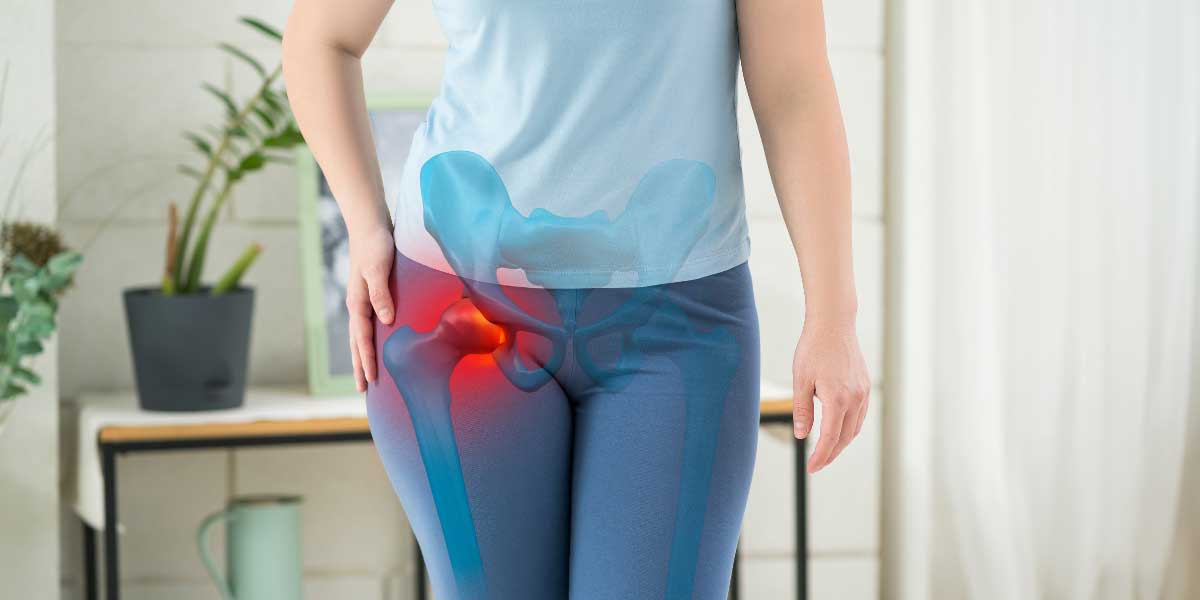

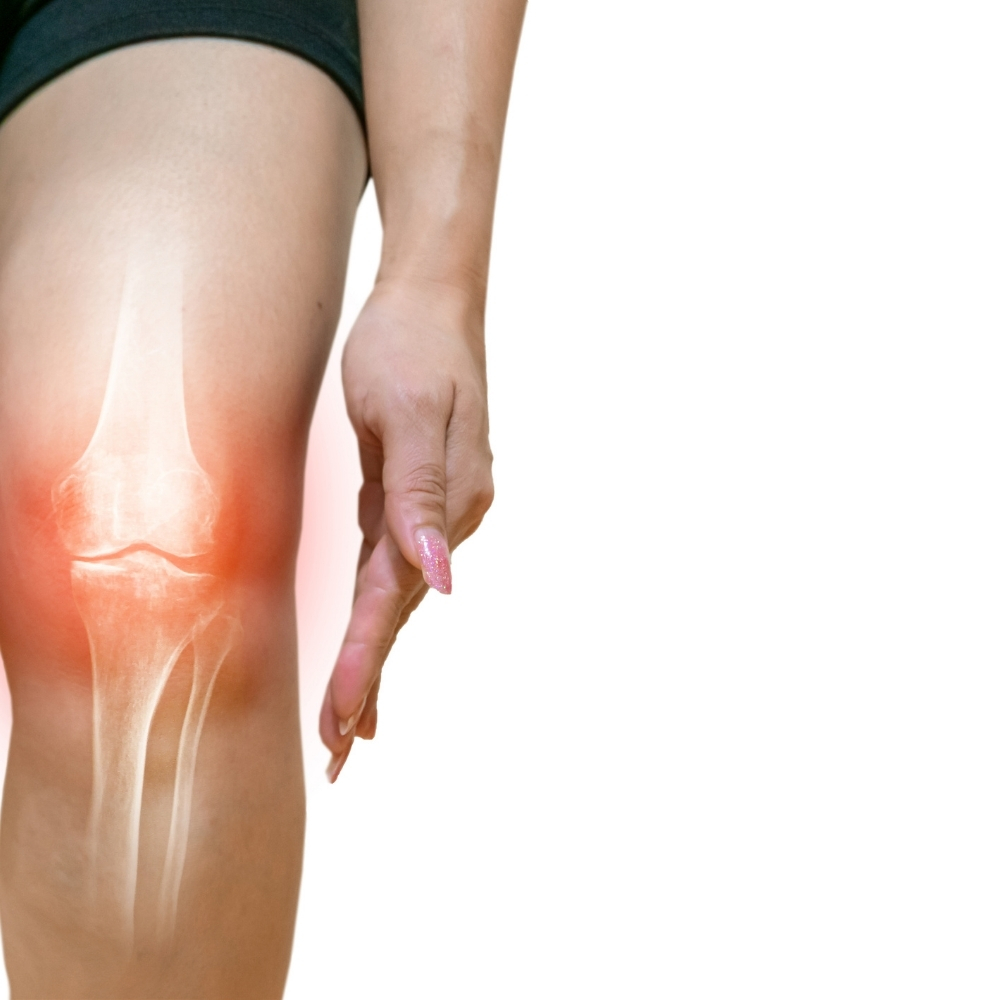
Early Arthritis (Joint “Wear-and-Tear”)
-
Soothe achy joints
PRP’s growth factors help calm joint inflammation so you can bend, squat, and reach more comfortably. -
Nudge cartilage toward repair
While it won’t create brand-new cartilage, PRP encourages the existing tissue to stay healthier longer. -
Reduce reliance on meds
Many patients find they need fewer painkillers or anti-inflammatories after a PRP series. -
Improve joint lubrication
Better hydration inside the joint means less grinding and smoother movement. -
Tailored injection plan
Our Leesburg team builds a treatment schedule—often 2–3 sessions—to match your arthritis severity. -
Complementary chiropractic care
We pair PRP with gentle adjustments and rehab exercises to maximize your joint health.
Ligament Sprains (Ankle, Knee, etc.)
-
Accelerated band repair
Ligaments are slow to heal—PRP gives them a jump-start by concentrating your own growth factors. -
Restore stability
Stronger ligaments mean fewer wobbles and less chance of re-injury. -
Shorten swelling time
By managing the inflammatory response, PRP slashes the typical “puffy” phase. -
Pain reduction at the source
Rather than masking pain, PRP tackles it where the ligament fibers have torn. -
Guided by real-time imaging
We use ultrasound in our Leesburg office to ensure each drop of PRP goes exactly where you need it. -
Integrated rehab
After your injections, our chiropractors teach you targeted exercises to rebuild strength safely.

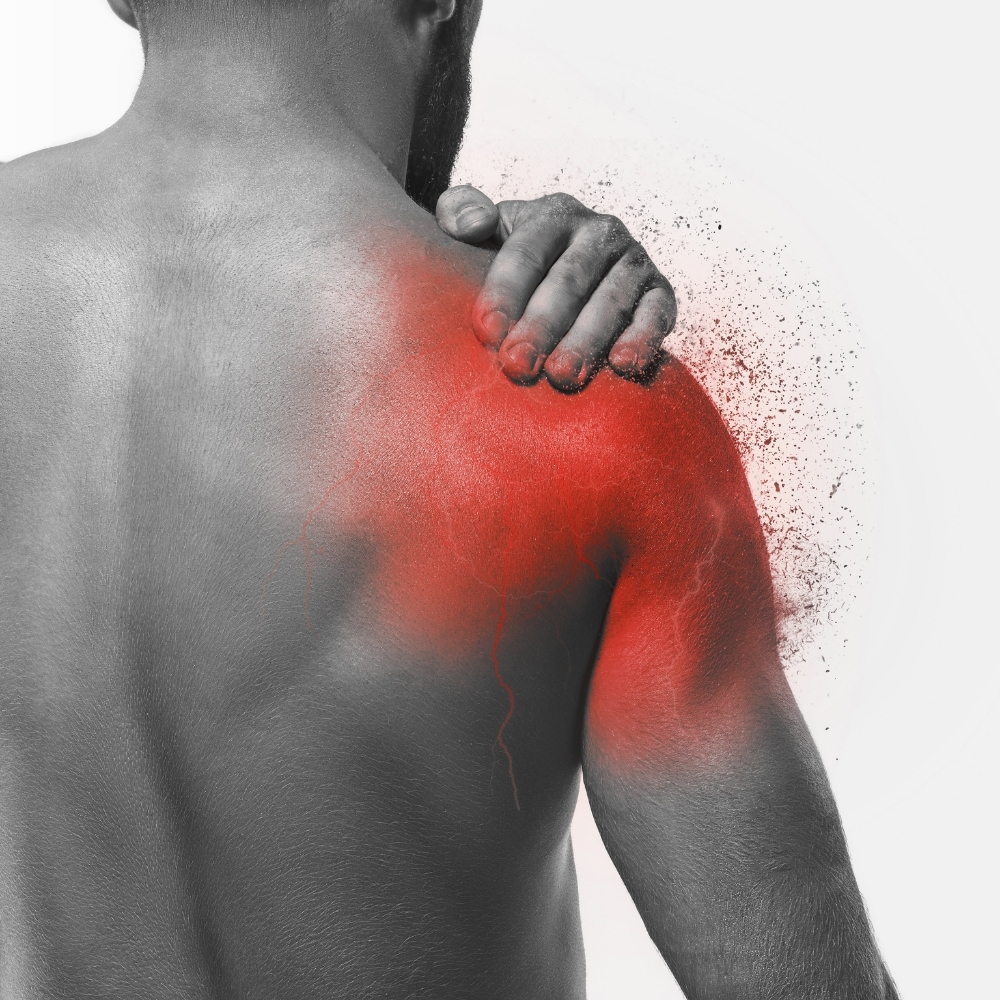
Muscle Strains (Pulled Muscles & Partial Tears)
-
Direct healing boost
PRP floods injured muscle fibers with the proteins they need to regenerate faster. -
Reduce scar tissue
Better tissue remodeling means fewer stiff spots and a smoother muscle surface. -
Cut recovery days
Whether it’s a hamstring tweak or a tweaked shoulder, PRP often trims weeks off your healing time. -
Better range of motion
Less scar tissue and inflammation help you stretch farther without discomfort. -
Custom-fit treatments
Our Leesburg chiropractors assess your injury and tailor the PRP volume and schedule to you. -
Follow-up care
We combine PRP with soft-tissue work and corrective exercises so your muscle stays strong and flexible.