
PLATELET-RICH PLASMA (PRP) THERAPY
Osteoarthritis
(Joint Degeneration)
Osteoarthritis
(Joint Degeneration)
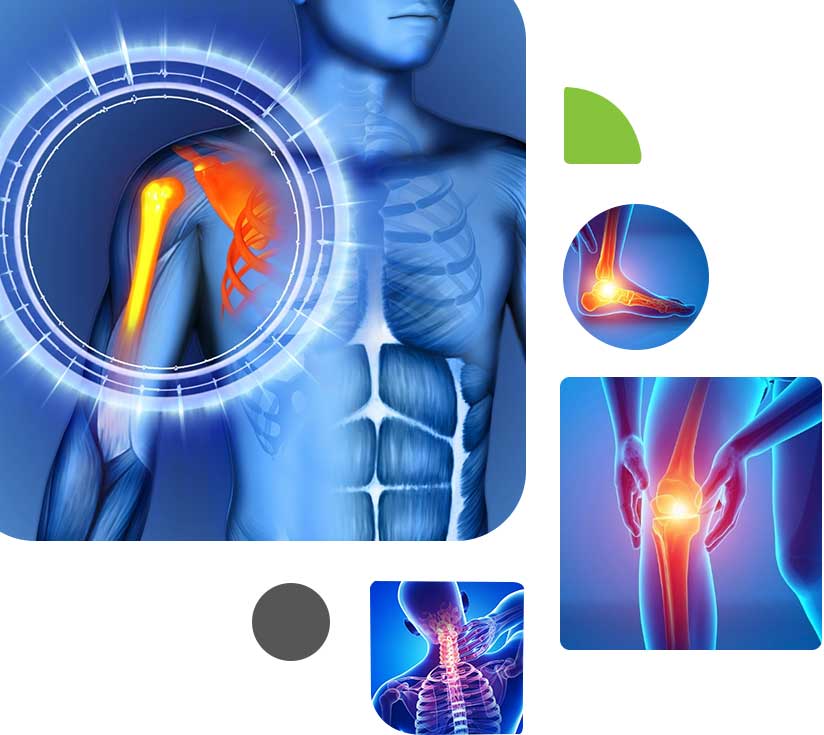
Osteoarthritis is a debilitating condition that affects millions of adults worldwide, causing pain, swelling, and stiffness in the joints. It involves the breakdown of protective cartilage in joints, leading to pain and limited mobility. Osteoarthritis can affect any joint, but it most commonly affects the knees, hips, hands, and spine. Risk factors for osteoarthritis include old age, obesity, joint injuries, muscle weakness, and ligament laxity. If left untreated, osteoarthritis can lead to significant disability and decreased quality of life.

Happiness cannot be pursued; it must ensue.
Why Consider PRP Therapy?
✓ Natural Healing: Unlike traditional medications that may come with various side effects, PRP offers a more natural approach by promoting the body’s own recovery.
✓ Reduction of Pain and Inflammation: Many patients report significant relief from pain and reduced inflammation following PRP therapy, allowing them to return to doing the activities they love.
✓ Improved Joint Function: As the healing process unfolds, you may experience an improvement in joint function, making movements easier and more comfortable.
✓ Empower Your Recovery: PRP therapy empowers you by involving your body actively in the healing process. It’s not just about pain management; it’s about regaining your mobility and improving your quality of life.
✓ Fewer Risks: Because PRP utilizes your own blood, the risk of allergic reactions and infections is greatly minimized compared to other treatments.
PRP Therapy for Specific Joints
PRP therapy can be used to treat osteoarthritis in a variety of joints, including the knees, hands, and hips. For knee osteoarthritis, PRP therapy has been shown to be effective in reducing pain and increasing function. In the hands, PRP therapy can help to reduce pain and improve mobility, making it easier to perform daily activities. For hip osteoarthritis, PRP therapy can help to reduce pain and improve mobility, reducing the need for joint replacement surgery. By targeting the specific joint affected by osteoarthritis, PRP therapy can provide targeted relief and improved outcomes.
Knee Osteoarthritis
Hand Osteoarthritis
Hip Osteoarthritis
Conclusion
In conclusion, PRP therapy is a promising treatment option for osteoarthritis, offering a safe and effective alternative to traditional orthopedic surgery. By stimulating the body’s natural healing process, PRP therapy can promote tissue repair and reduce inflammation, improving outcomes for patients with knee, hand, and hip osteoarthritis. With its minimally invasive nature and potential for long-term relief, PRP therapy is an attractive treatment option for patients with osteoarthritis.
Many healthcare professionals are trained in administering PRP therapy, and it can be used in conjunction with other therapies to enhance healing. By providing targeted relief and improving outcomes, PRP therapy can help patients with osteoarthritis to maintain their independence and quality of life.