PRP for Thinning Hair: Can It Really Bring Back Your Locks?
Thinning hair can be a distressing experience for both men and women, affecting self-esteem and overall confidence. With various treatments available, one that has garnered significant attention in recent years is Platelet-Rich Plasma (PRP) therapy. This innovative approach harnesses the body’s own healing mechanisms to promote hair growth and restore thinning locks. In this article, we delve into the question: “PRP for Thinning Hair: Can It Really Bring Back Your Locks?” and explore its efficacy, process, benefits, and potential considerations for those considering this treatment.
Understanding PRP Therapy
At its core, PRP therapy involves drawing a small amount of your blood, processing it to concentrate the platelets, and then injecting it into the scalp. Platelets are essential for healing and contain growth factors that can stimulate hair follicles, potentially leading to new hair growth. This non-surgical treatment is gaining popularity due to its natural approach, as it uses the patient’s own biological material, minimizing the risk of allergic reactions or complications. But how exactly does it work, and what should you expect during the treatment process?
The process typically unfolds in several key steps:
- Consultation: A thorough consultation with a qualified professional is critical to assess your hair loss’s extent and discuss your goals.
- Blood Draw: A small blood sample is taken from your arm, similar to routine blood tests.
- Centrifugation: The sample is placed in a centrifuge, which spins at high speeds to separate the plasma, red blood cells, and platelets.
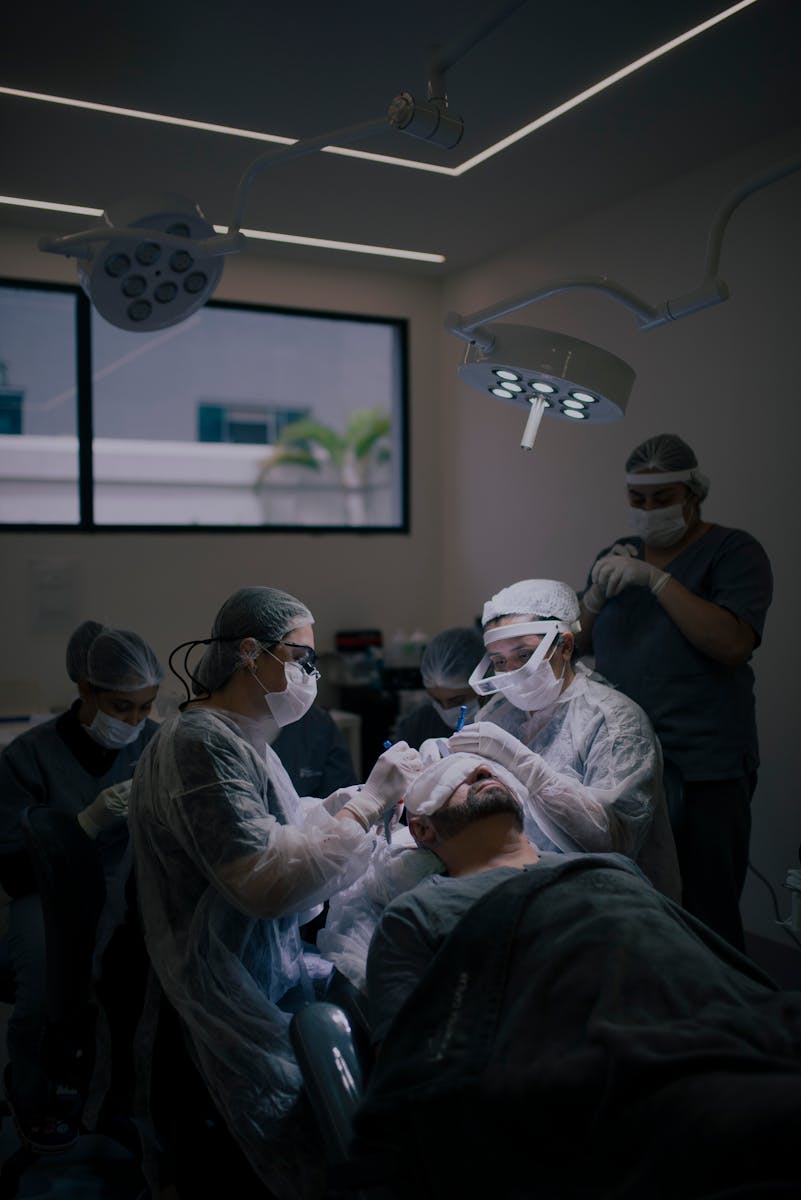
- Injection: The concentrated PRP is then injected into specific areas of the scalp, targeting thinning or dormant hair follicles.
Benefits of PRP for Thinning Hair
One of the most compelling aspects of PRP therapy for thinning hair is its multi-faceted benefits. Research has suggested that PRP can enhance the thickness and density of existing hair, revitalize inactive follicles, and promote the growth of new hair strands. Unlike many conventional hair restoration methods, PRP therapy does not involve any surgical procedures, making it an appealing option for those apprehensive about invasive treatments.
Some notable benefits include:
- Natural Treatment: Since PRP utilizes your own blood components, there is a lower risk of adverse reactions.
- Minimal Downtime: Patients can typically resume their normal activities almost immediately after treatment.
- Long-lasting Results: While results can vary, many patients experience noticeable improvements within a few months, and the effects can last for a year or more with maintenance treatments.
- Combination with Other Treatments: PRP can be used alongside other hair restoration methods, enhancing their overall effectiveness.
Is PRP Right for You?
While PRP therapy offers many promising benefits, it’s essential to understand that it may not be suitable for everyone. Factors such as the underlying cause of hair loss, age, and overall health can influence the treatment’s effectiveness. PRP is generally considered safe, but individuals with certain medical conditions, such as blood disorders, may not be ideal candidates. It is crucial to undergo a comprehensive evaluation by a skilled medical professional who can assess your hair loss condition and medical history to determine if PRP is right for you.
Moreover, individual responses to treatment can vary significantly. While some patients report substantial improvements in hair density and thickness, others may experience less dramatic results. It’s essential to maintain realistic expectations and understand that PRP is often most effective in conjunction with a comprehensive hair restoration plan that may include lifestyle changes, dietary adjustments, and possibly other treatments.
What to Expect After Treatment
Following PRP treatment, most patients can expect some minor swelling or tenderness at the injection sites, which typically resolves within a few days. It’s essential to adhere to the post-treatment care instructions provided by your clinician, which may include avoiding strenuous exercise, heat styling, or harsh hair products for a short period. Many individuals begin to notice visible results within three to six months as the hair follicles gradually respond to the growth factors in the PRP.
To maximize the benefits of PRP therapy, regular follow-up sessions are often recommended. Many practitioners suggest a series of treatments, typically spaced about four to six weeks apart, followed by maintenance sessions every six months to a year, depending on individual progress and goals. Being proactive and having open communication with your healthcare provider will ensure you get the most out of your PRP therapy experience.
Contact Us for More Information
In conclusion, PRP therapy for thinning hair presents a promising option for those seeking to restore their locks naturally. While individual results may vary, many patients report significant improvements, making it a treatment worth considering. If you’re grappling with hair thinning and are intrigued by the potential of PRP, we invite you to reach out to our clinic for a consultation. Our team of experienced professionals is dedicated to helping you achieve your hair restoration goals, offering personalized treatment plans tailored to your specific needs. Don’t wait any longer to take the first step toward revitalizing your hair — contact us today!
Keywords: PRP therapy, thinning hair, hair restoration, hair loss treatment, platelet-rich plasma, regrowth, PRP for thinning hair, scalp health, hair rejuvenation, PRP injections, non-surgical hair loss solution, PRP therapy benefits, hair growth stimulation, safe hair treatment, PRP for hair loss.

Related Articles

Platelet-Rich Plasma (PRP) Therapy
Platelet-Rich Plasma (PRP) Therapy