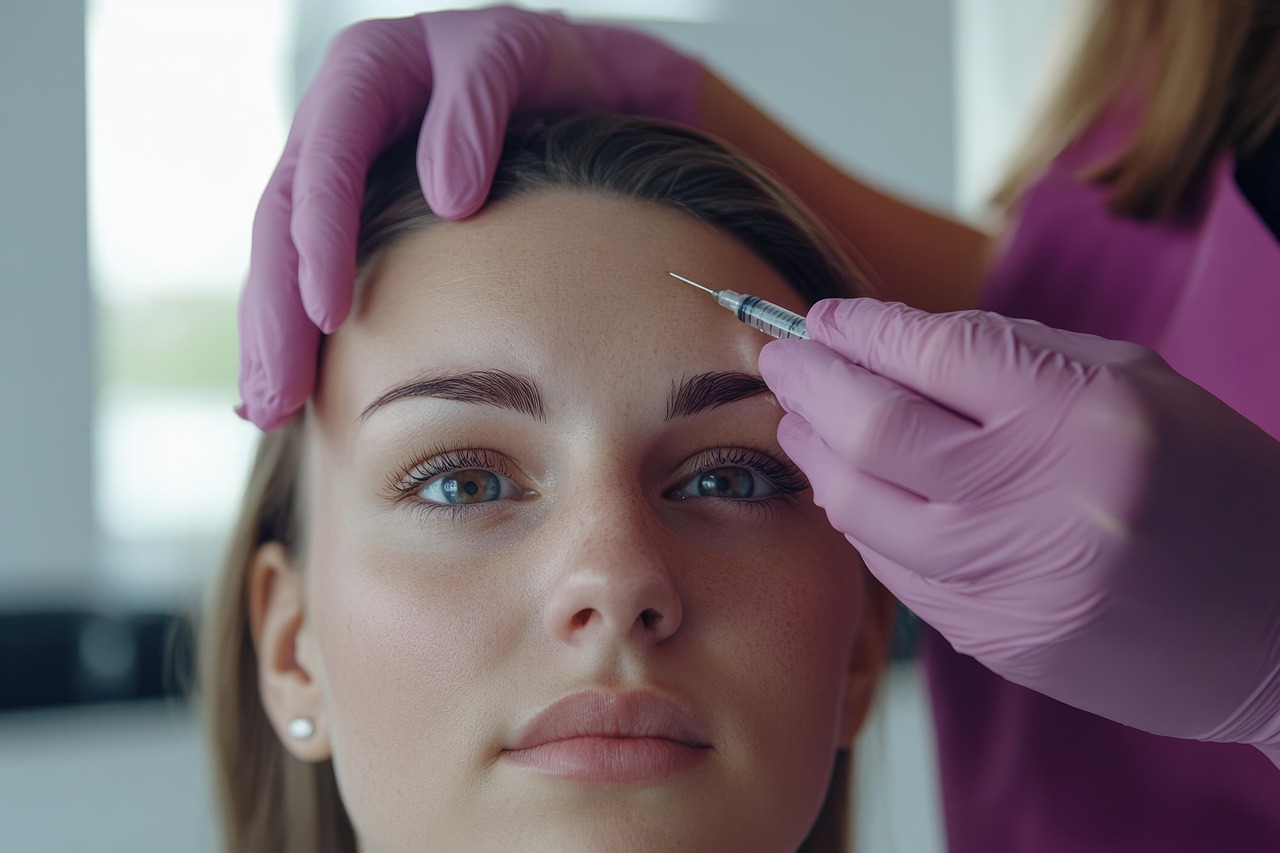
PRP Therapy for Alopecia: What You Need to Know
Alopecia, a condition characterized by hair loss, can significantly affect one’s self-esteem and quality of life. While various treatments exist, one innovative approach gaining traction is PRP therapy. Standing for Platelet-Rich Plasma therapy, this procedure harnesses the body’s own healing properties to stimulate hair growth. If you are exploring options for managing alopecia, understanding PRP therapy is crucial. In this article, we will delve into what PRP therapy for alopecia entails, how it works, its benefits, and considerations to keep in mind.
Understanding PRP Therapy for Alopecia
PRP therapy for alopecia is a non-surgical treatment that involves drawing a small amount of your blood, processing it to concentrate the platelets, and then injecting this platelet-rich plasma into the scalp. The high concentration of growth factors found in the platelets is believed to stimulate hair follicle activity and promote new hair growth. This process is relatively simple, typically conducted in a medical office, and does not require extensive downtime, making it an appealing option for those struggling with hair loss.
Here’s a breakdown of what to expect during a typical PRP therapy session:
- Consultation: Initially, you will have a consultation with a qualified healthcare provider, who will assess your condition and determine if you are a good candidate for PRP therapy.
- Blood Draw: A small quantity of blood is drawn from your arm, similar to getting a routine blood test.
- Processing: The blood is placed in a centrifuge, which spins it at high speed to separate the platelets from other components of the blood.
- Injection: The concentrated PRP is then injected into specific areas of your scalp that require treatment.
The Benefits of PRP Therapy for Alopecia
One of the most compelling reasons individuals consider PRP therapy for alopecia is its natural approach. Since the treatment uses your own blood, the risk of allergic reactions or rejection is minimal. Additionally, PRP therapy is not only useful for androgenetic alopecia (the most common form of hair loss) but can also be effective for other types of alopecia, including alopecia areata. The benefits extend beyond just hair growth; many patients report improvements in the overall health and quality of their hair.
Some notable advantages of PRP therapy for alopecia include:
- Non-Invasive: Unlike hair transplant surgeries, PRP is non-invasive and requires no stitches or extended recovery time.
- Painless Procedure: Most patients experience minimal discomfort during the injections, often likened to a small pinch.
- Effectiveness: Clinical studies have shown promising results, with many patients experiencing noticeable hair regrowth after a series of treatments.
- Quick Sessions: Each PRP session typically lasts about 30 to 60 minutes, making it easy to fit into your schedule.
What to Expect After Treatment
After undergoing PRP therapy for alopecia, it is common to have some mild swelling or tenderness at the injection sites. Most individuals can return to their normal activities immediately, though it is advisable to avoid strenuous exercise for a few days to minimize discomfort. While some patients may notice improvements within a few weeks, optimal results typically appear after three to six months of consistent treatments. The rejuvenation of hair follicles requires time, and patience is essential as the hair growth cycle progresses.
To maintain the benefits of PRP therapy, a maintenance treatment plan may be recommended. This often involves follow-up sessions every 4 to 6 months after the initial series of treatments. Your healthcare provider will work with you to establish a plan that suits your specific needs, ensuring that you continue to see improvements in hair density and health.
Is PRP Therapy Right for You?
While PRP therapy has shown significant promise in treating alopecia, it is important to consult with a qualified specialist to determine if it’s the right option for your particular situation. Factors such as the type of alopecia you have, your overall health, and your hair loss patterns will be taken into account during your consultation. PRP therapy is not suitable for everyone; those with certain medical conditions or those who are on specific medications may not be ideal candidates.
If you are considering PRP therapy for alopecia, reach out to a reputable clinic specializing in hair restoration. They can provide you with a comprehensive evaluation and guide you through the process. Understanding PRP therapy for alopecia is the first step towards reclaiming your hair and confidence. Don’t let hair loss define you; take action today.
For more information about PRP therapy and to schedule a consultation, contact us. Our team of experts is here to help you navigate your hair restoration journey with personalized care and support.
Keywords: PRP therapy, alopecia treatment, hair restoration, platelet-rich plasma, PRP therapy benefits, hair loss solutions, non-surgical hair restoration, PRP therapy for alopecia, hair growth stimulation, PRP injections, natural hair regrowth, PRP therapy results, alopecia PRP therapy, effective hair loss treatments, PRP therapy for men and women

Related Articles

Platelet-Rich Plasma (PRP) Therapy
Platelet-Rich Plasma (PRP) Therapy