PRP vs. Hair Transplants: Which Is Right for You?
When it comes to addressing hair loss, two of the most popular options are Platelet-Rich Plasma (PRP) therapy and hair transplant surgery. Both treatments have their unique benefits, but the question remains: “PRP vs. Hair Transplants: Which Is Right for You?” Understanding each method’s advantages, procedures, and outcomes can help you make an informed decision tailored to your specific needs.
Understanding PRP Therapy
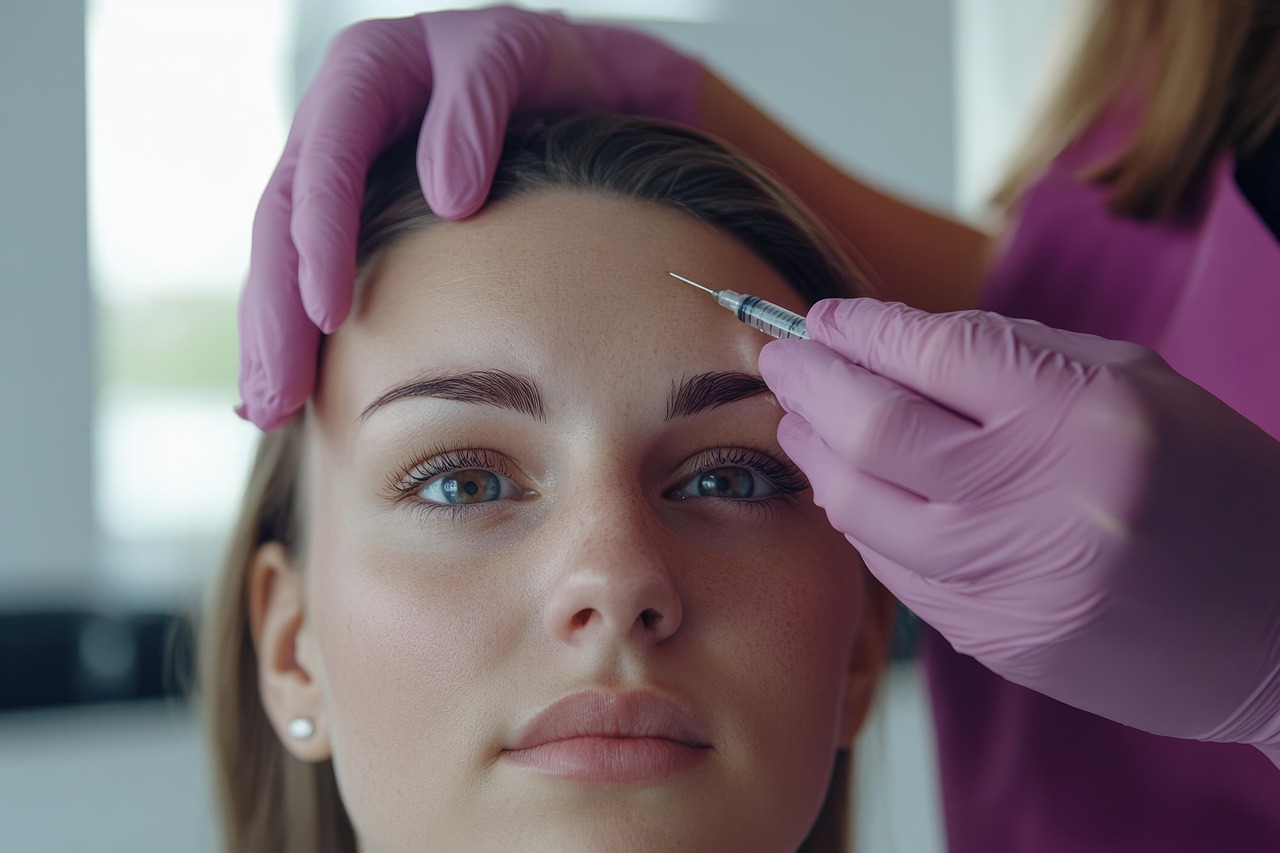
PRP therapy is a non-surgical treatment that utilizes your body’s own healing properties to stimulate hair growth. The process begins with a simple blood draw, where a small amount of blood is taken from the patient. This blood is then placed into a centrifuge, which spins it at high speeds to separate the components. The resulting platelet-rich plasma is rich in growth factors and is injected into areas of the scalp that are thinning or balding. Here are some key benefits of PRP therapy:
- Minimally Invasive: Since PRP is a non-surgical procedure, it involves little to no downtime, making it an attractive option for many.
- Natural Regrowth: PRP uses your body’s natural healing properties, which means there is a lower risk of allergic reactions or complications.
- Quick Procedure: A typical PRP session lasts about 30 to 60 minutes, allowing you to return to your daily activities almost immediately.
However, it’s essential to note that results from PRP therapy typically take several months to become noticeable. While some patients may see improvement in hair thickness and growth within three to six months, others may require multiple sessions to achieve optimal results. Consulting with a qualified professional can help you better understand what to expect from this treatment.
The Hair Transplant Process
Hair transplant surgery, on the other hand, is a more invasive procedure that involves the removal of hair follicles from a donor area (often the back or sides of the head) and transplanting them into balding or thinning areas. There are primarily two methods of hair transplant: Follicular Unit Extraction (FUE) and Follicular Unit Transplantation (FUT). Each method has its own advantages:
- Long-Lasting Results: Hair transplants provide permanent results, as the transplanted hair follicles are resistant to the hormone that causes hair loss.
- High Success Rate: With advancements in technology and techniques, hair transplants have a very high success rate when performed by a skilled surgeon.
- Customizable: Surgeons can tailor the procedure to meet individual needs, including the density and pattern of hair growth.
Nonetheless, patients should be prepared for a longer recovery time, which can last from a few days to a few weeks. Post-operative care is critical to the success of the procedure, and patients often need to avoid strenuous activities during the healing process.
Comparing Outcomes: PRP vs. Hair Transplants
When considering “PRP vs. Hair Transplants: Which Is Right for You?”, it’s crucial to evaluate the expected outcomes of each treatment. PRP therapy may be more suitable for individuals experiencing early stages of hair thinning or for those looking to enhance their existing hair without undergoing surgery. On the other hand, hair transplants may be better for individuals with significant hair loss or those seeking a permanent solution.
Additionally, factors such as age, the extent of hair loss, and overall health can influence which treatment is more appropriate. For example:
- If you are in your late 20s or early 30s and experiencing thinning hair, PRP may be a more conservative and effective first step.
- If you are older and have substantial bald spots, a hair transplant might provide the dramatic results you’re seeking.
Ultimately, the best way to determine which option is right for you is to consult with a physician or hair restoration specialist. They can assess your individual situation, offer professional advice, and create a treatment plan tailored to your needs.
Making the Right Choice
Ultimately, the decision between PRP and hair transplants should be made after careful consideration and consultation with a qualified medical practitioner. Both treatments have their own sets of advantages and limitations, and understanding these can aid you in making an informed choice. If you have further questions or are ready to explore your options, do not hesitate to contact a hair restoration expert today. They can provide you with personalized advice and help guide you on your journey to regaining your confidence through effective hair loss treatments.
In conclusion, whether you lean towards PRP therapy or a hair transplant, it is essential to be well-informed and to seek guidance from professionals in the field. Each option offers unique outcomes, and choosing the right one can lead to significant improvements in your hair health and overall confidence.
Keywords: PRP therapy, hair transplants, PRP vs hair transplants, PRP for hair growth, benefits of PRP, hair loss solutions, hair restoration, non-surgical hair treatment, cost of hair transplants, PRP effectiveness, hair thinning, patient experiences, hair restoration options, PRP treatment advantages, choosing hair restoration methods

Related Articles

Platelet-Rich Plasma (PRP) Therapy
Platelet-Rich Plasma (PRP) Therapy